
Best 6 Podcast AI Summary & Transcription Tools (2026)
Discover the best podcast AI summary and transcription tools in 2026: BibiGPT, NotebookLM, Podwise, Sonix, AmberScript & Trint. Compare features, pricing, and use cases.
Best 6 Podcast AI Summary & Transcription Tools in 2026: In-Depth Comparison
Quick answer: The top podcast AI tools in 2026 are BibiGPT (supports Xiaoyuzhou, Ximalaya, local files + deep AI summaries), Google NotebookLM (free + multi-source cross-analysis), and Podwise (podcast-specific knowledge management). For pure transcription, Sonix and AmberScript are professional-grade choices. Read on for the full comparison.
Experience BibiGPT now
Ready to try these powerful features? Visit BibiGPT and start your intelligent audio/video summarization journey!
Get startedIn 2026, podcasts are one of the most important channels for knowledge sharing. But with hundreds of hours of new content every week, listening to everything manually is no longer realistic. AI podcast summary tools go far beyond speech-to-text — they extract key insights, generate mind maps, and even let you "chat with your podcasts." This guide reviews 6 top tools for 2026, including the newly added Google NotebookLM.
1. BibiGPT: Professional AI Podcast Summary & Deep Understanding Platform (Top Pick)
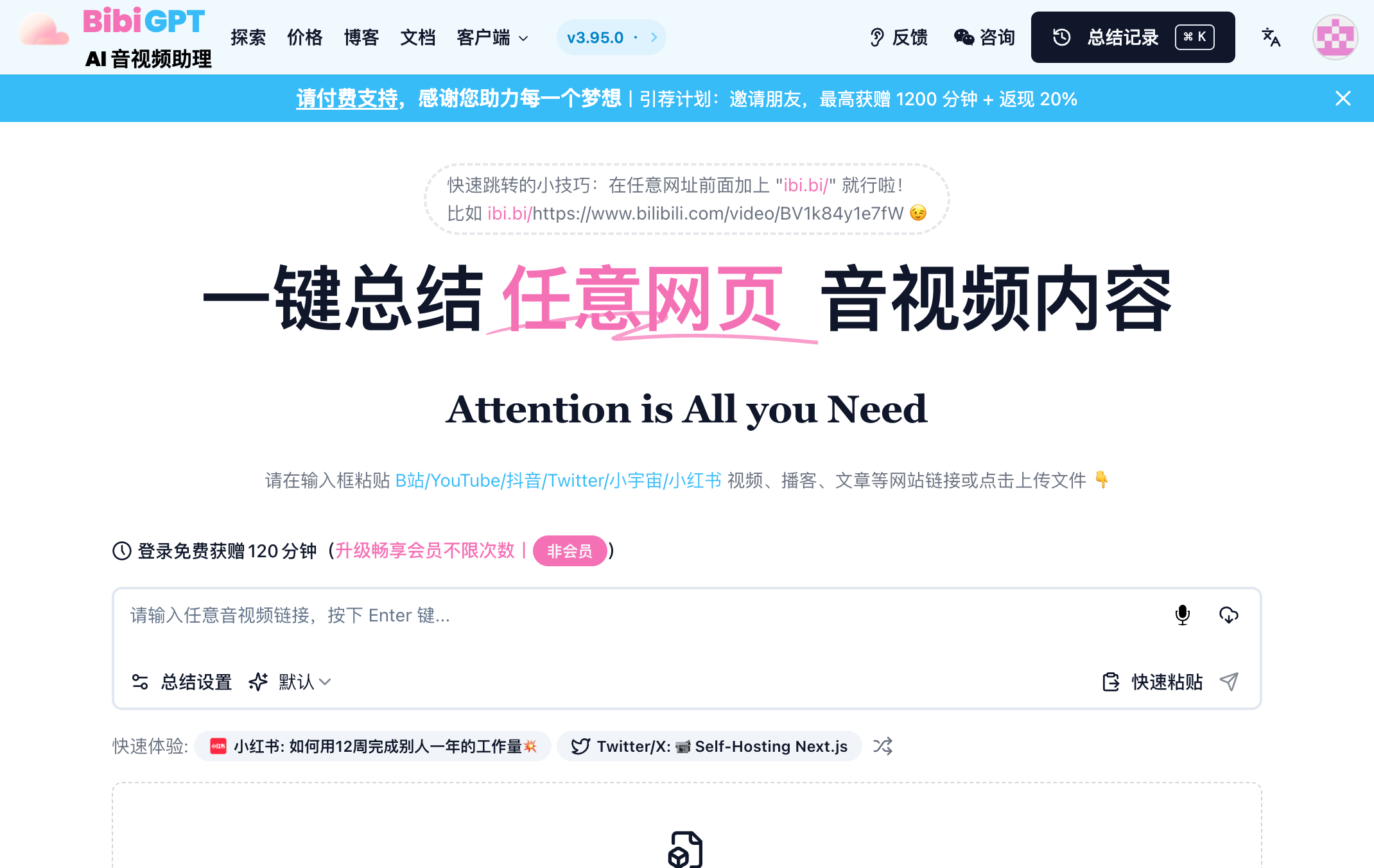
BibiGPT is an AI-powered audio-video processing platform. The 2026 highlight: it doesn't just transcribe — it provides deep understanding by analyzing tone, emotion, and core arguments, turning podcast content into searchable, conversational structured knowledge.
Key Features
- Multi-platform transcription: Supports Xiaoyuzhou, Ximalaya, Apple Podcasts (via RSS), YouTube podcasts, and local audio files (mp3/m4a/flac) — one click to extract key points.
- AI deep content understanding: Goes beyond text, automatically analyzing tone shifts, extracting core arguments (3–5 per episode), and generating action item lists.
- AI chat with source tracking: Ask questions about any episode. Every answer includes clickable timestamps for full traceability — zero hallucination risk.
- Mind maps & highlights: Transforms linear podcasts into visual knowledge structures with auto-tagged highlights.
- bibigpt-skill integration (new in 2026): Claude Code / OpenClaw can run
bibi summarize "<url>"to auto-summarize podcasts, enabling fully automated weekly podcast digests. - Custom prompts: Tailor summaries to your needs (e.g., "extract investment insights" or "organize technical solutions").
- Seamless integrations: Export to Notion, Obsidian, Readwise — connecting podcasts → notes → knowledge base.
Pricing
- Lite package: 1,500 minutes for $25
- Most popular: 3,600 minutes for $60
- Monthly membership: $13.98/month for the first month (regular $27.96), unlimited usage while active
Best for: Heavy podcast listeners, researchers who need deep content understanding, and developers automating podcast workflows with Claude Code/OpenClaw.
2. Google NotebookLM: Free Multi-Source Cross-Analysis (New in 2026)
Google NotebookLM has rapidly become a go-to tool for knowledge workers in 2025–2026. Its core strength: upload multiple podcasts, articles, and PDFs into a single "notebook," then run cross-file Q&A and synthesis.
Key Features
- Multi-source integration: Upload multiple podcast transcripts, PDF articles, and YouTube subtitles — AI automatically builds a knowledge graph.
- Cross-file AI chat: Ask one question that searches across all your podcast content, returning comprehensive answers with source citations.
- Audio Overview (podcast generation): Converts text content into natural conversational audio summaries — listen while commuting.
- Citation tracking: Every answer cites which source file and which paragraph it came from.
Pricing
- Completely free (Google account required; some premium features need Google One AI Premium)
Best for: Researchers cross-referencing multiple podcast episodes and sources; users who want free AI podcast tools.
Note: NotebookLM doesn't support direct podcast URL input (you need to download or obtain transcripts first), and Chinese podcast support is limited.
3. Podwise: AI-Powered All-in-One Podcast Assistant
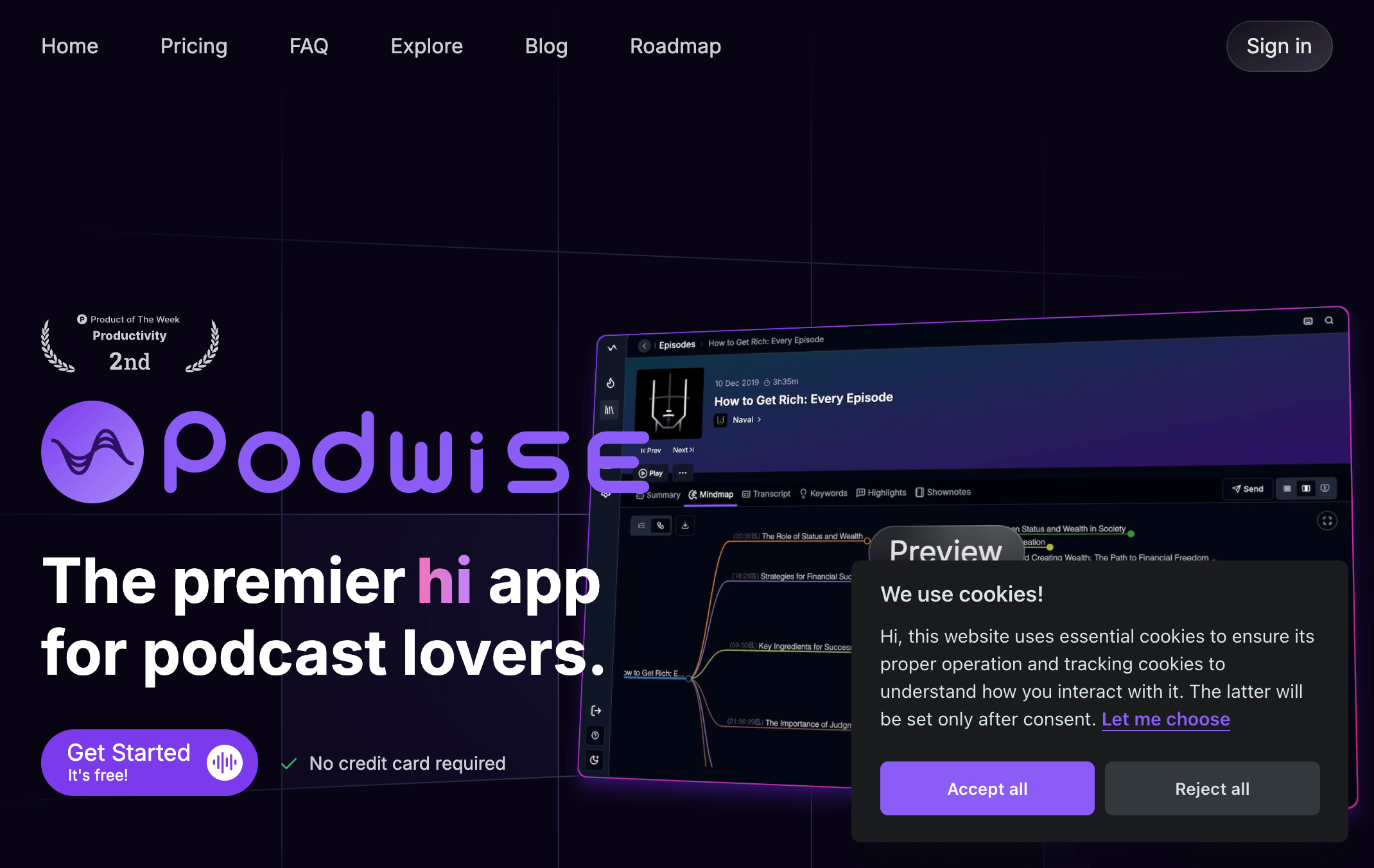
Podwise is an innovative AI podcast platform that delivers high-quality speech-to-text along with comprehensive content management. It supports multiple languages including English, Chinese, Japanese, and Korean, and integrates seamlessly with Notion, Obsidian, Readwise, and more.
Key Features
- AI-powered transcription: Accurate podcast transcripts you can search and quote instantly
- Smart summaries: Auto-generated episode summaries for quick insight capture
- Mind maps: Visual representation of podcast content structure
- Multilingual support: English, Chinese, Japanese, Korean, and more
Pricing
- Free plan: Core features with limited AI credits
- Standard: $5.90/month for higher volume
- Pro: $11.90/month with unlimited access
4. Sonix: Smart Transcription & Content Intelligence
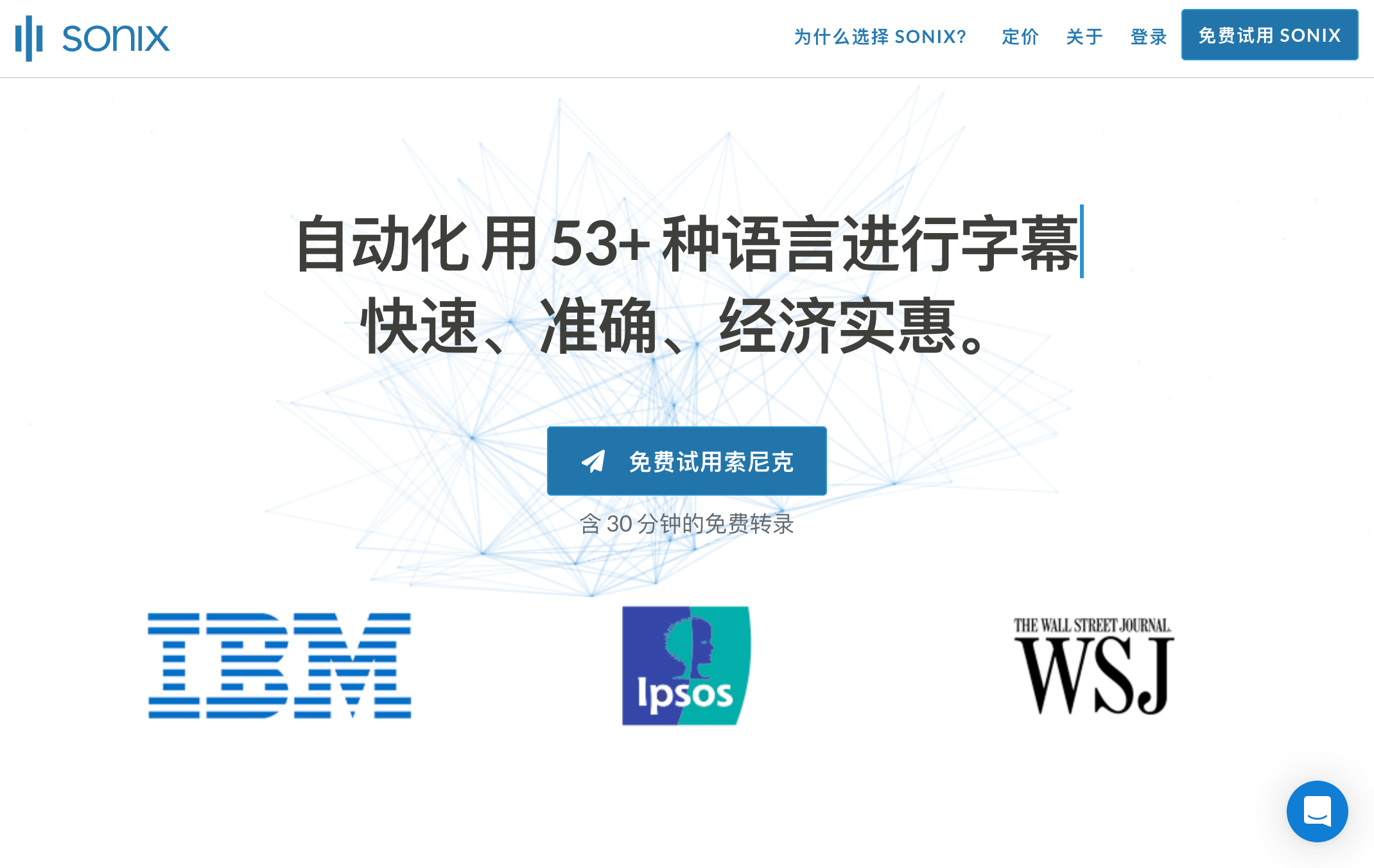
Sonix delivers up to 97% accuracy across 53 languages. Beyond transcription, it detects topics, analyzes sentiment, and handles everything from podcasts to lectures and interviews — ideal for content creators who need multilingual support.
Key Features
- Lightning-fast transcription backed by modern AI models
- 53-language translation, breaking down language barriers
- AI content analysis: topic recognition, sentiment analysis, and deep content understanding
- Professional editor with speaker detection and subtitle syncing
Pricing
- Pay as you go: starting at $10/hour
- Standard subscriptions with higher quotas
- Custom enterprise bundles for teams
5. AmberScript: Professional AI + Human Proofing for 99% Accuracy
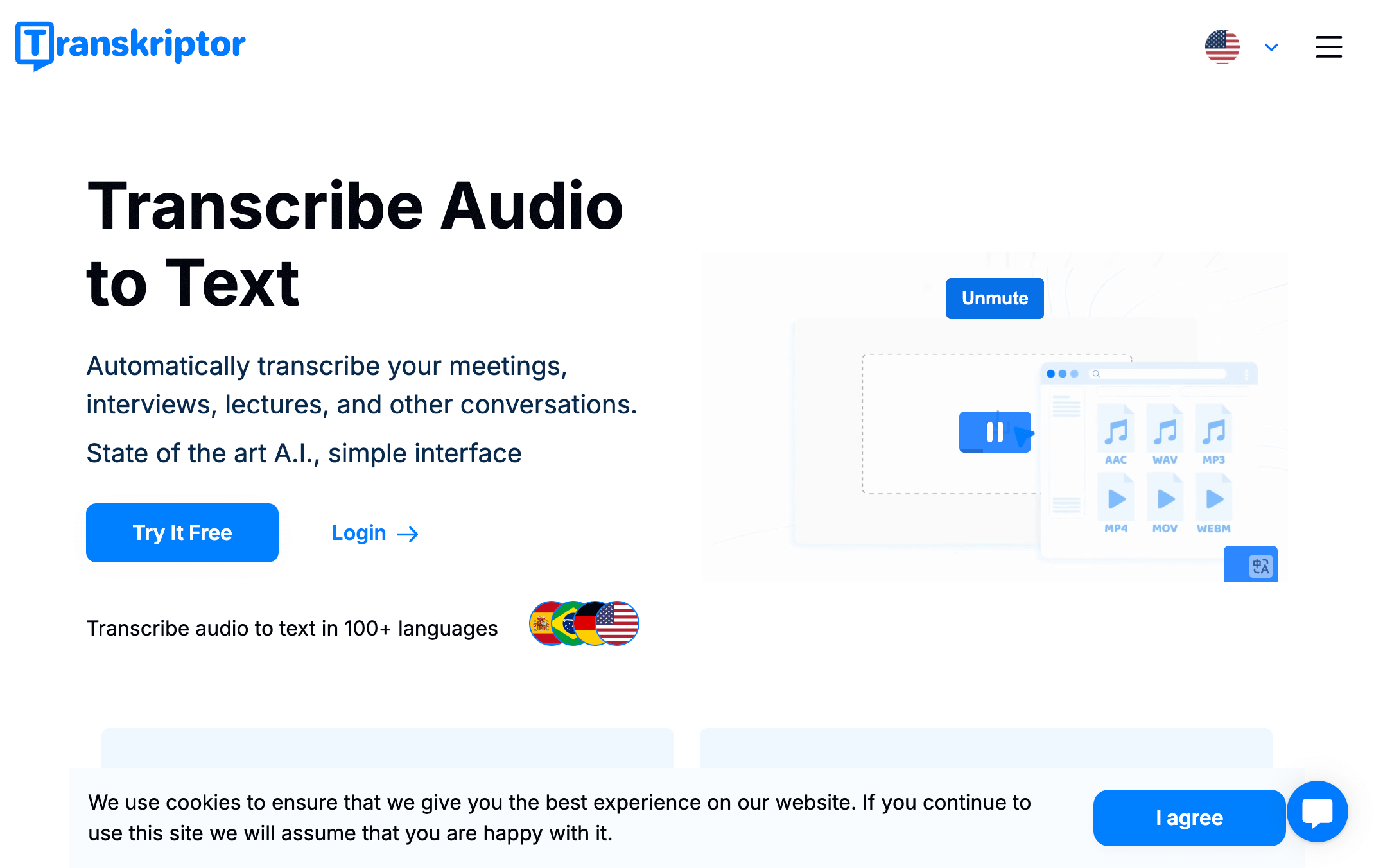
AmberScript blends AI automation with professional editors. Choose AI transcripts (85% accuracy) when speed matters, or opt for human-polished transcripts (99% accuracy) for mission-critical content. Supports 39 transcription languages.
Key Features
- Dual workflow: automated AI or human-verified transcription
- 39 transcription languages and 18 subtitle translation languages
- Smart online editor with custom dictionaries and live collaboration
- Real-time transcription for meetings and events
- API integration for custom pipelines
Pricing
- On-demand: $0.28/min (AI) or $1.50+/min (human)
- Subscriptions from $25/month with larger quotas
- 10-minute free trial credits
6. Trint: Collaboration-First Transcription for Media Teams
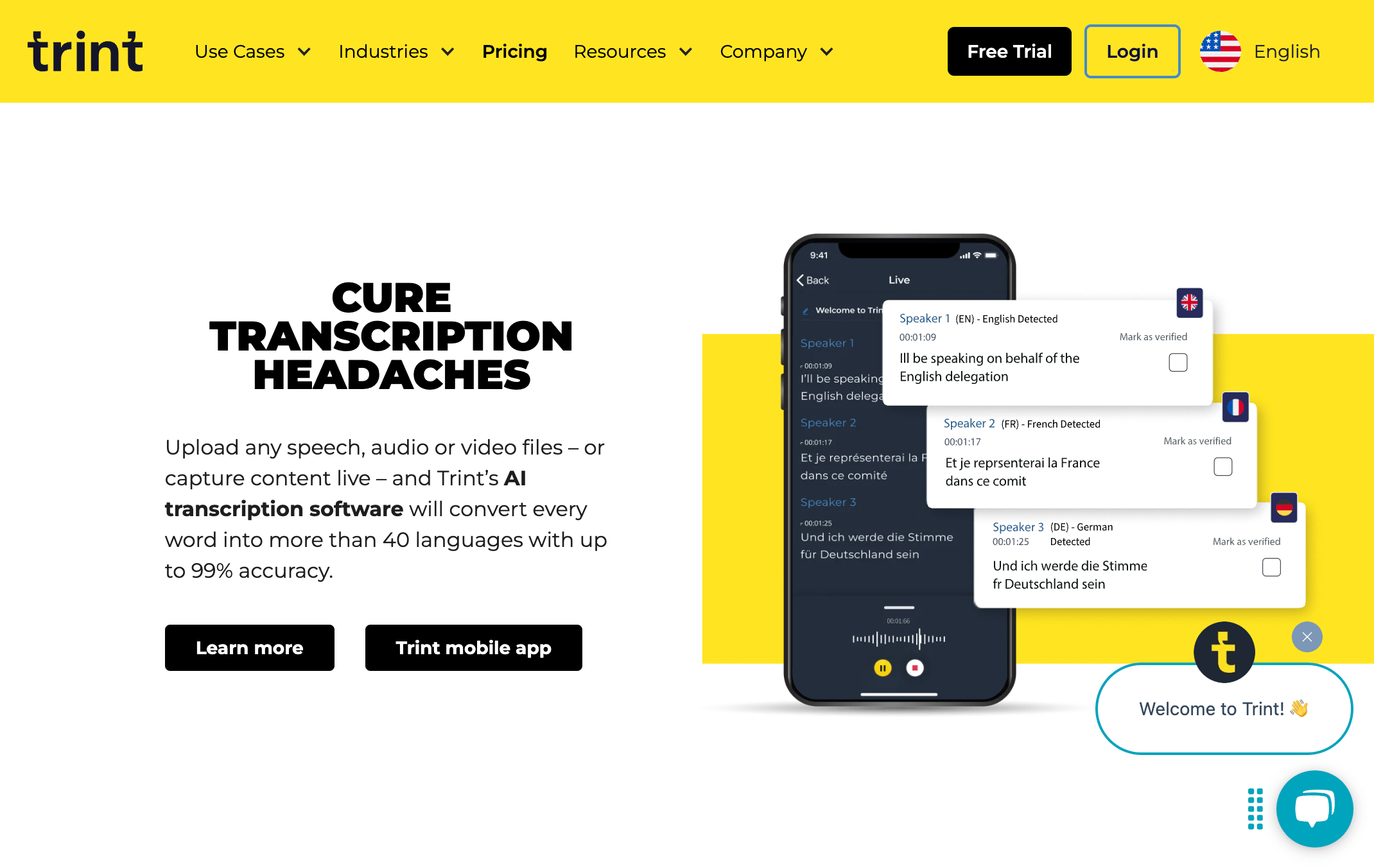
Trint supports 40+ languages with enterprise-grade 99% accuracy. Its cloud editor enables teams to annotate, fact-check, and publish together — perfect for newsrooms, production houses, and agencies.
Key Features
- AI transcripts with 99% accuracy across 40+ languages
- Real-time collaborative editing and approval workflows
- Timecode management, speaker labeling, and powerful search
- Multi-format exports for publishing or subtitle work
Pricing
- Starter: $80/month with 300 minutes
- Advanced: $100/month with 1,200 minutes
- Enterprise: custom solutions with SSO and admin controls
Buying Guide: Choose by Your Workflow
| Scenario | Recommended Tool |
|---|---|
| Heavy podcast user (Chinese platforms) | BibiGPT (native Xiaoyuzhou/Ximalaya support) |
| Cross-referencing multiple sources | Google NotebookLM (free, multi-file Q&A) |
| Podcast knowledge management | Podwise |
| Maximum transcription accuracy (teams/media) | AmberScript (99%, human proofreading) |
| Multilingual content | Sonix (53 languages) |
| Real-time team collaboration | Trint |
Frequently Asked Questions
Q: Which tool is best for summarizing Chinese podcasts (Xiaoyuzhou/Ximalaya)? A: BibiGPT offers the best Chinese podcast support, natively accepting Xiaoyuzhou and Ximalaya URLs — no downloads needed. Other tools generally don't support direct Chinese podcast platform integration.
Q: Does Google NotebookLM support Chinese podcasts? A: NotebookLM supports Chinese content, but can't accept Chinese podcast URLs directly — you need to convert episodes to text first. Great for research, less ideal for quick daily summaries.
Q: How can I automate podcast summaries (hands-free)?
A: Use BibiGPT's bibigpt-skill + OpenClaw/Claude Code to set up heartbeat tasks: auto-fetch new podcast RSS → run bibi summarize → generate daily digest. See: OpenClaw + bibigpt-skill Automated Workflow.
Q: Have prices changed in 2026? A: AI tool pricing changes frequently — check official websites for the latest. Prices in this article are based on March 2026 data. BibiGPT's monthly membership offers the most flexible unlimited-use plan.
Try BibiGPT Podcast Summary Now
Supports Xiaoyuzhou, Ximalaya, Apple Podcasts and more — one-click structured podcast notes
AI podcast summary
Transcribe, search, and replay podcasts to capture the key talking points.
Local speech to text
Convert local audio files into searchable transcripts with multilingual recognition.
AI YouTube summary
Generate instant AI summaries for YouTube videos with timestamp navigation and key takeaways.
Try BibiGPT today:
- 🌐 Website: https://bibigpt.co
- 📱 Mobile: https://bibigpt.co/app
- 💻 Desktop: https://bibigpt.co/download/desktop
- ✨ Podcast Summary: https://bibigpt.co/features/ai-podcast-summary
Also check out our other reviews:
- Best Bilibili AI Video Summary Tools (2025 Guide)
- Top 10 YouTube AI Video Summary Tools (2026)
- OpenClaw + bibigpt-skill AI Video Summary in Action
BibiGPT Team